Content Marketing vs Traditional Marketing

Content marketing has become a leading strategy for brands that want to build trust, educate audiences, and grow sustainably. Traditional online marketing still delivers fast visibility, but the experience, longevity, and impact differ significantly. This guide explains how content marketing works, how it compares to traditional online tactics, and why both approaches matter in modern digital strategies.
What is Content Marketing?

Content marketing is the practice of creating and sharing valuable content to attract, engage, and retain an audience. Instead of focusing on direct promotion, it builds relationships through information, insight, and storytelling.
The Email Marketing Comeback

AI has made generating targeted, custom content much easier. This has opened the gates to marketers using analytics events to build audiences composed of significant user groups (users interested in a certain product, service, or demographic) and easily creating target outreach campaigns to those groups. This has all culminated in a full-fledged comeback for email marketing.
Different Types of Reactive Content and How To Make The Most of Them
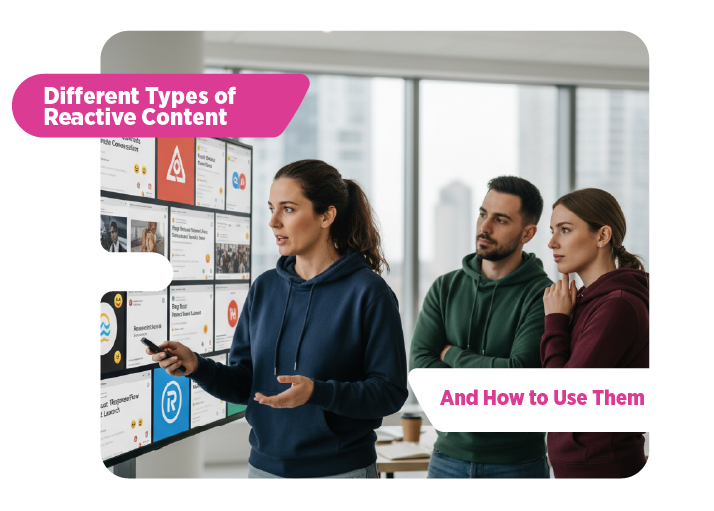
Good content is about providing something of value to the reader – that may be an insightful opinion, an entertaining hot take posted to social media, or it could mean a well-thought-out and researched blog or newsletter post. Most of all, good content is always a reaction to something.
AI Agents Will Never Be Oscar Wilde, but They Make a Hell of a Walter Cronkite

Both men’s words captivated the world, but in very different ways. One was a creative genius, the other shaped a nation’s global perspective.
The Boundless Knowledge and Limited Intelligence of Language Models

Knowledge and intelligence, while similar on the surface, are very different things. Knowledge is what you know, while intelligence is your aptitude for learning and complex thought. That difference is crucial to really understanding what to expect from language models, and what makes AI so confusing for a lot of people.
How the Future of Content Marketing is like a Mix Tape
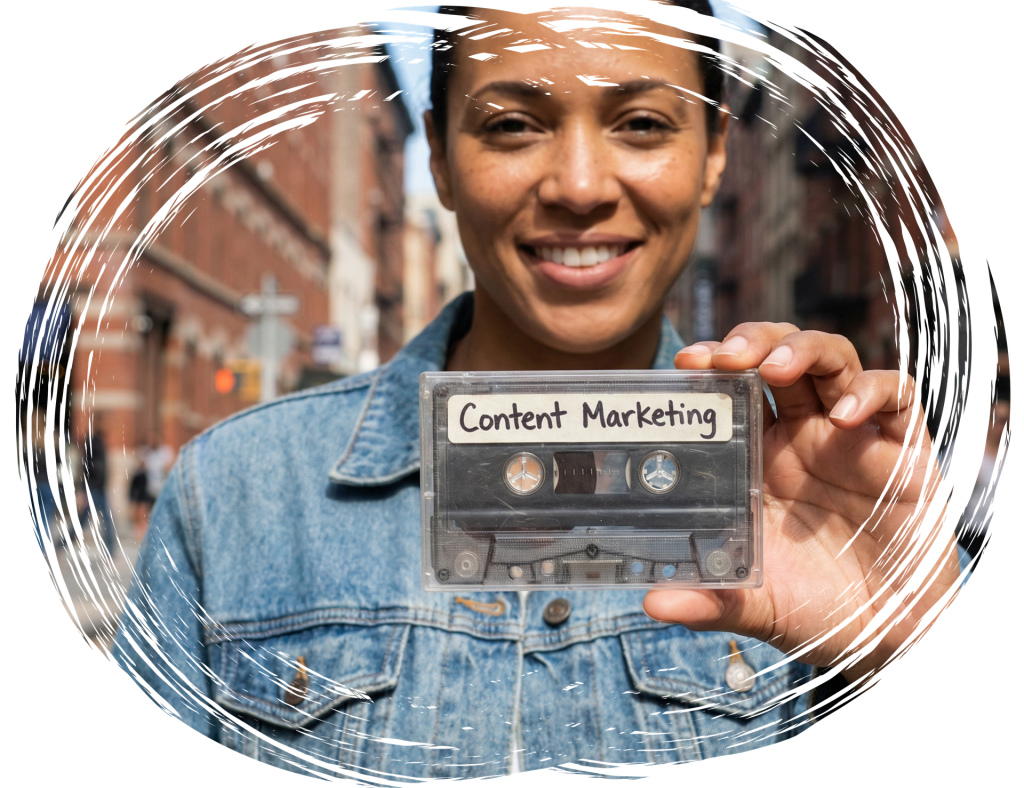
If you’re old enough to remember mix tapes or burned CDs, you probably remember how weirdly personal they felt. When you made a mix tape, it was a little like the entire creative enterprise became yours. I know I didn’t write or perform any of this music, but it took a genius like me to recognize its value, and arrange it in such a pleasing order. When you made a mix tape, it became clear how much creative input it takes simply to even prepare and assemble a creative arrangement. Taste, style, and a sense of flow all heavily came into play. If you’d just put the radio on and recorded the next 12 songs to play, it wouldn’t have hit the same.
Why Analytics and Targeting Are a Game Changer
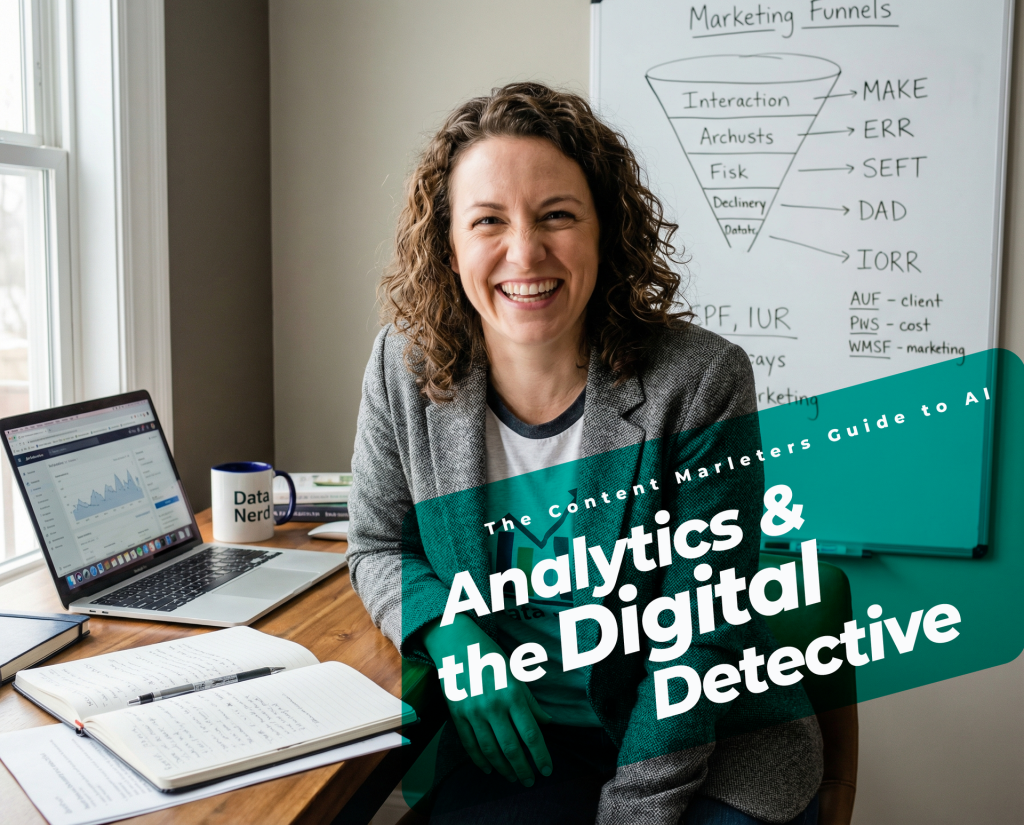
Every business, brand, and website is different. Your products and services, user experience and visual style all impact how users perceive and interact with you online. Websites that seem very similar superficially may face very different problems from a marketing perspective. A confusing navigation experience, missing call to action, or unclear page objectives can all be hidden problems draining your marketing budgets and ROI. Everyone’s got problems, and sometimes the hardest ones to diagnose are your own.
The 3 Pillars of the Reactive Marketing funnel

You can use trending events to engage your audience and grow your following. Seems simple, right? But anyone who’s tried it knows that growing a social, web, or newsletter community with reactive marketing can be daunting.
The Reactive Marketing Revolution

Having a blog, newsletter, or information portal used to be a ton of work. It took writers, editors, and marketers to host a full fledged content portal. Unfortunately, that meant it was out of reach for most brands. AI has changed a lot of industries, but few more than content marketing. Creating and distributing content is easier than ever before. Now, a single person can do a job that used to take a small team.